Toybox
Toybox is kinda like rubbing your head and patting your tummy at the same time. Shoot enemy toys on the left side of the screen to earn wooden blocks on the right. Then stack the blocks to explode stuff, power up your ship and earn extra lives. Each side affects the other, so master the interaction and survive as long as you can to get a high score. The best thing is that it doesn’t even have any ads.


For April 4
Present an app map and a wireframe for your chosen final project.
If you’d like any additional feedback on your concept, feel free to write me.
Your app map is important. Please plan on showing it completely during your presentation. Every screen in the app and all connections between all the screen should be represented.
Keep your wireframes lo-fi. Don’t add any design at this point, but concentrate just on interaction. Feel free and use omnigraffle or even hand sketches.
Lectures from this week
FireChat

It’s a new iPhone app that lets you chat and share photos with nearby users — anonymously, if you so choose. But instead of relying on global positioning or cell tower triangulation to plot you and others on a map, FireChat relies on Bluetooth and Wi-Fi to transmit messages between nearby users. In other words, you can open the app in the basement of your university library and chat with others, even if you don’t have cell service. With each new user that logs on, FireChat’s range expands.
FireChat works by leveraging one of iOS 7’s lesser-known features called the Multipeer Connectivity Framework. The framework lets apps communicate with each other locally over Bluetooth or Wi-Fi, even without an internet connection. AirDrop works in a similar way, letting you send photos to nearby iOS users. Few developers have thus far implemented the technology, perhaps in part because there don’t seem to be very many scenarios where modern tech consumers lack internet access. So Firechat’s pitch involves chatting at sports games, trade shows, concerts, on the subway, or on an airplane — a set of obvious scenarios where cell service is poor or nonexistent. But upon further examination, the app’s potential utility is much bigger – imagine how we can use this app to chat about the lecture in the classroom or strike a conversation with some interesting strangers in Union Square!
Free Food – Design Iteration & Third Prototype
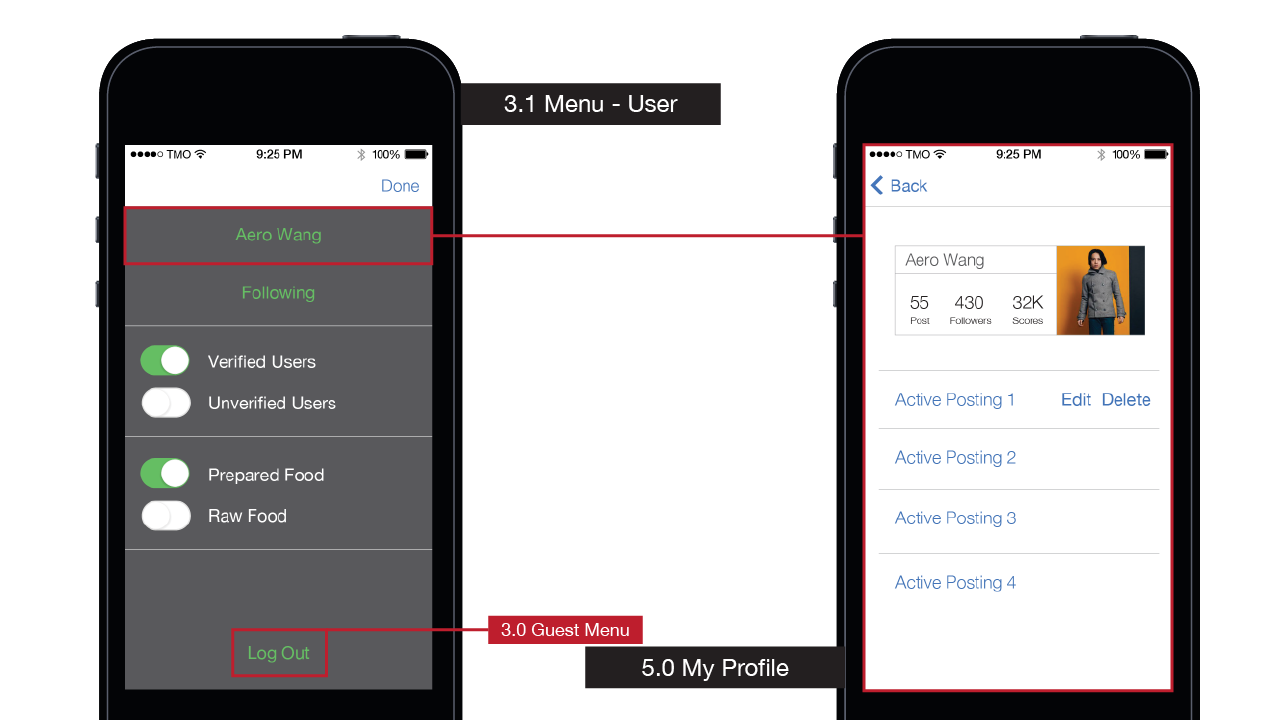
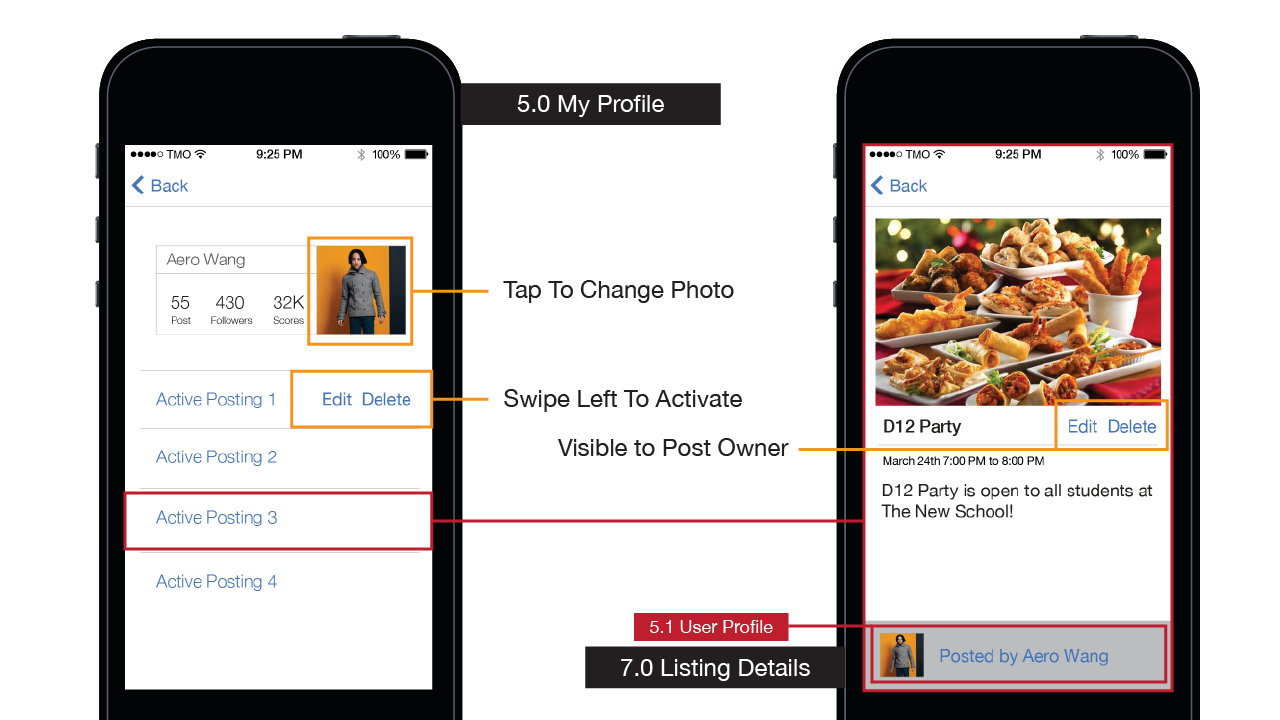
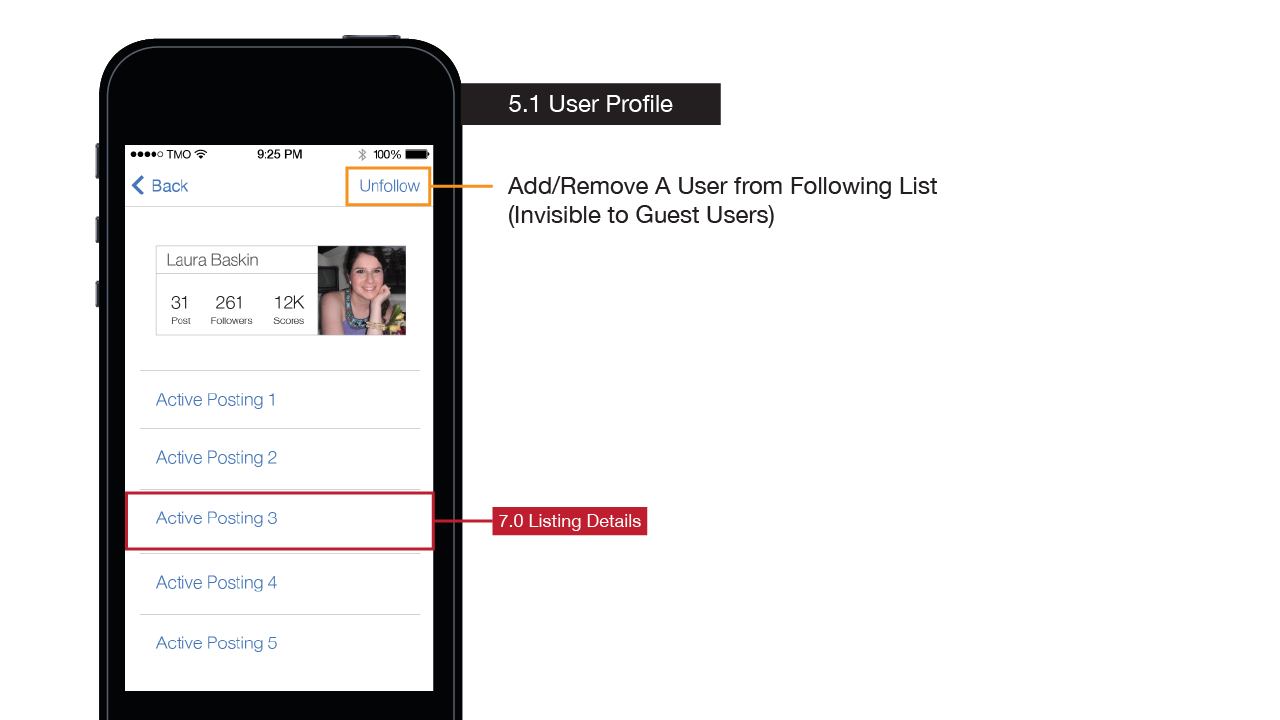
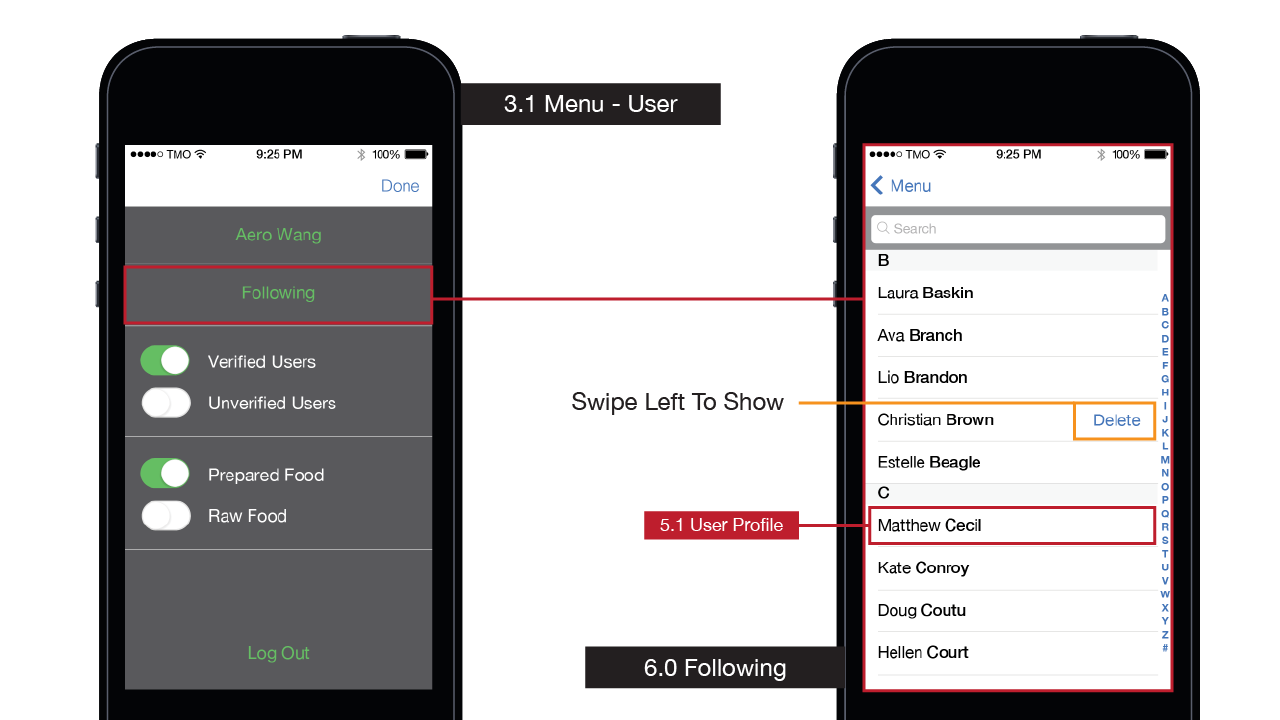
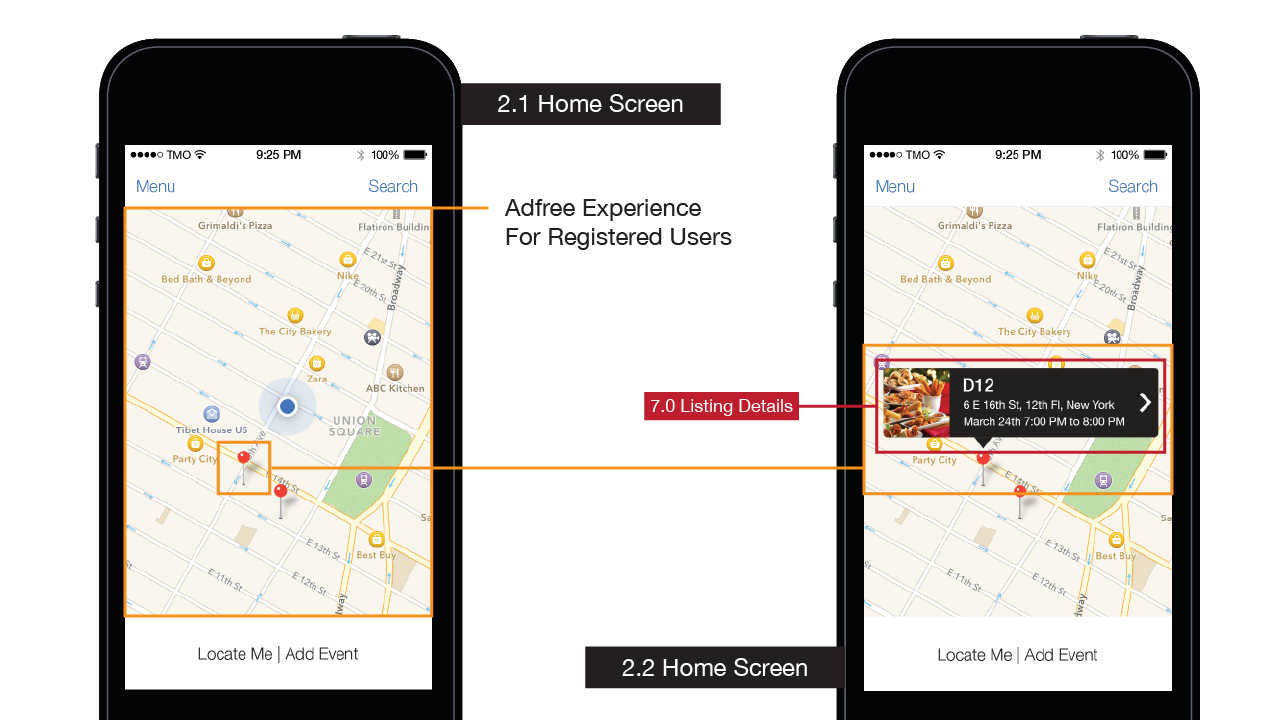
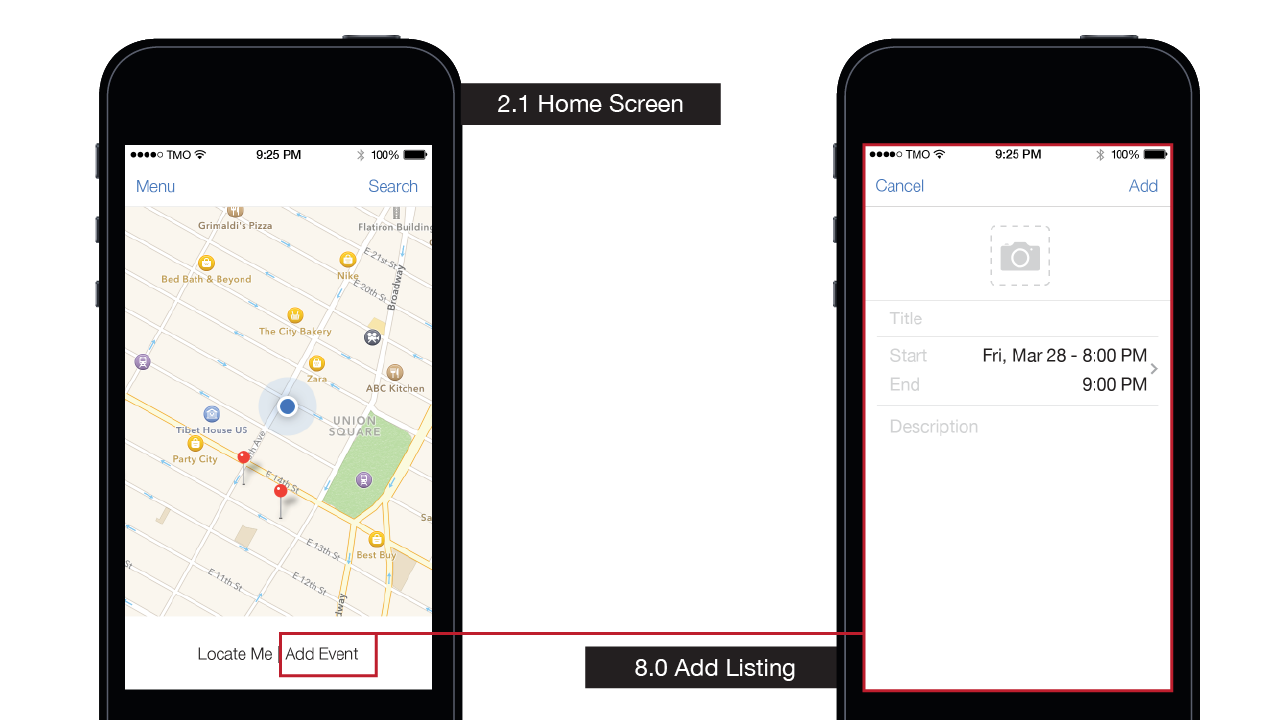
Below shows the design iteration of my wireframe iteration.
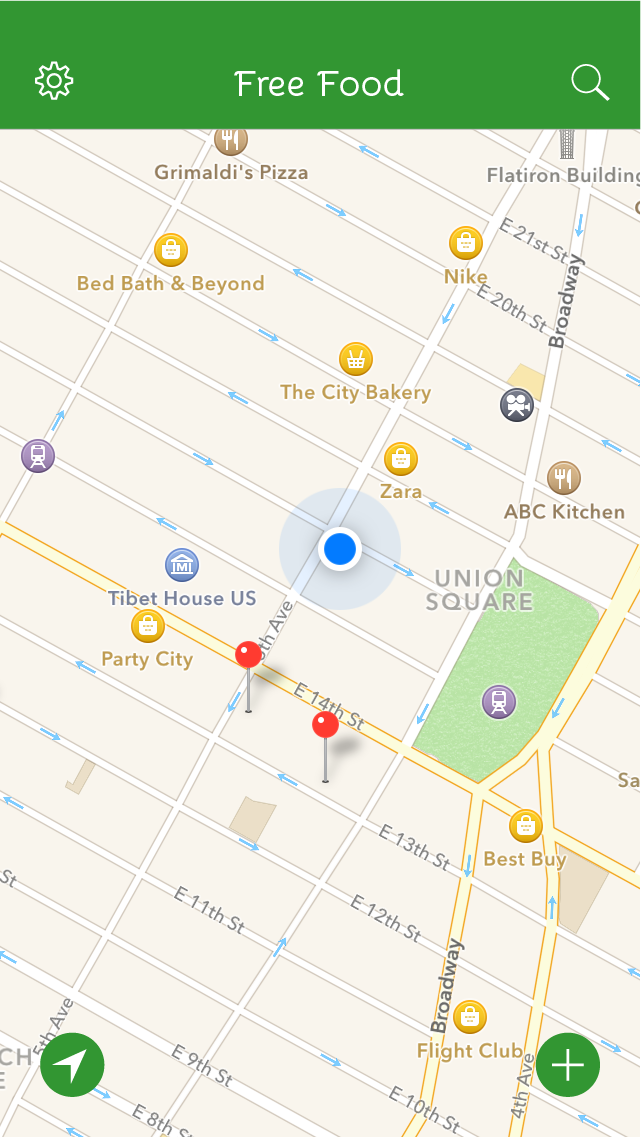
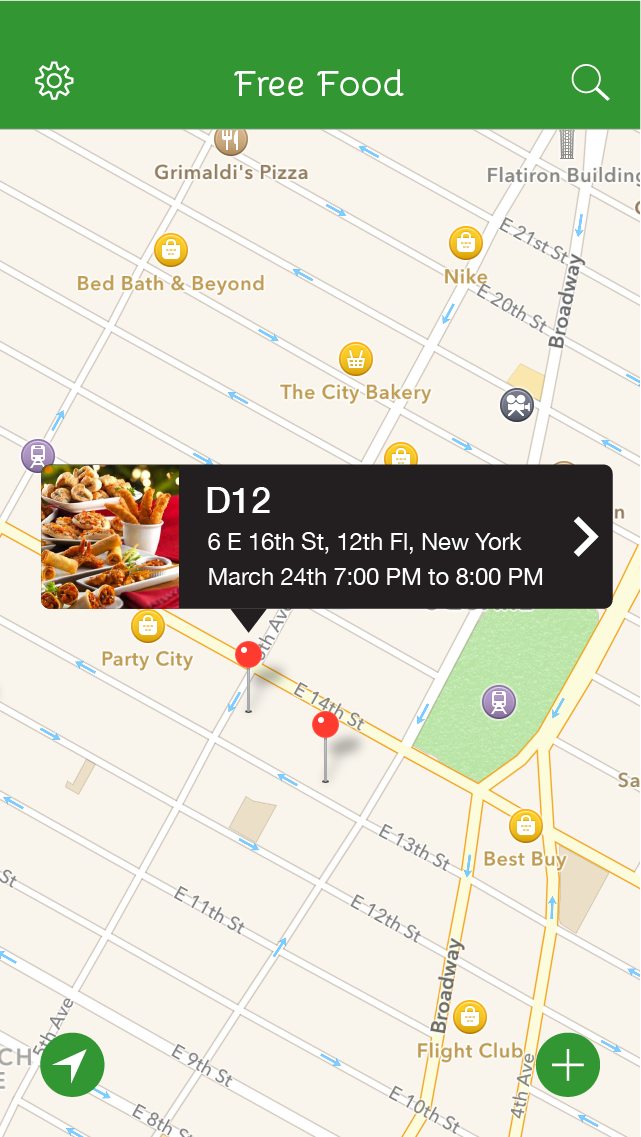
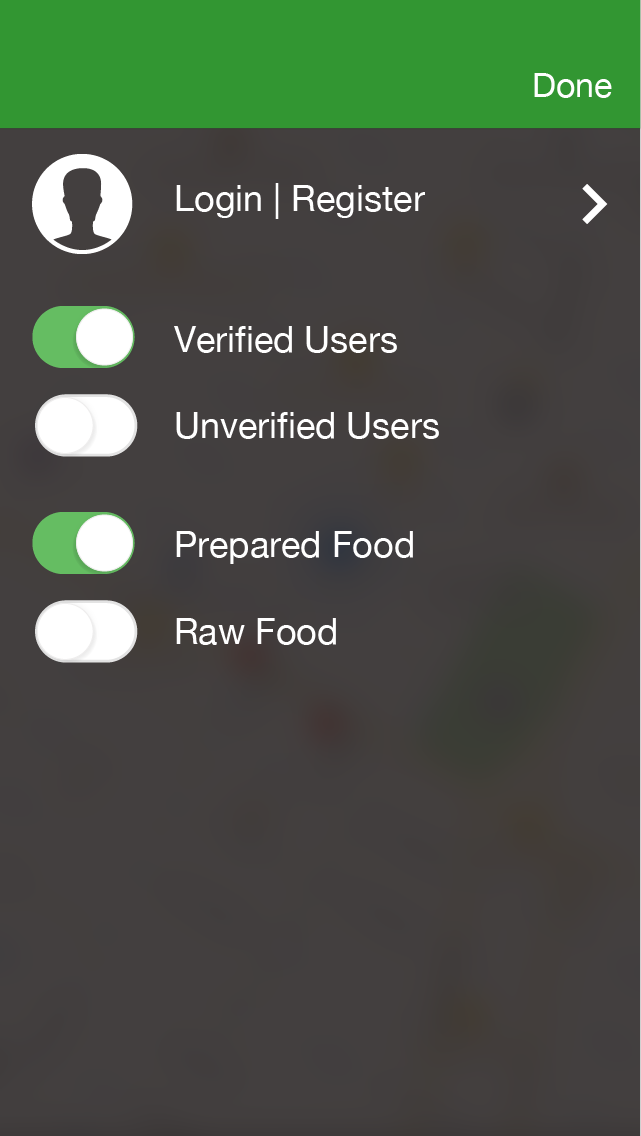


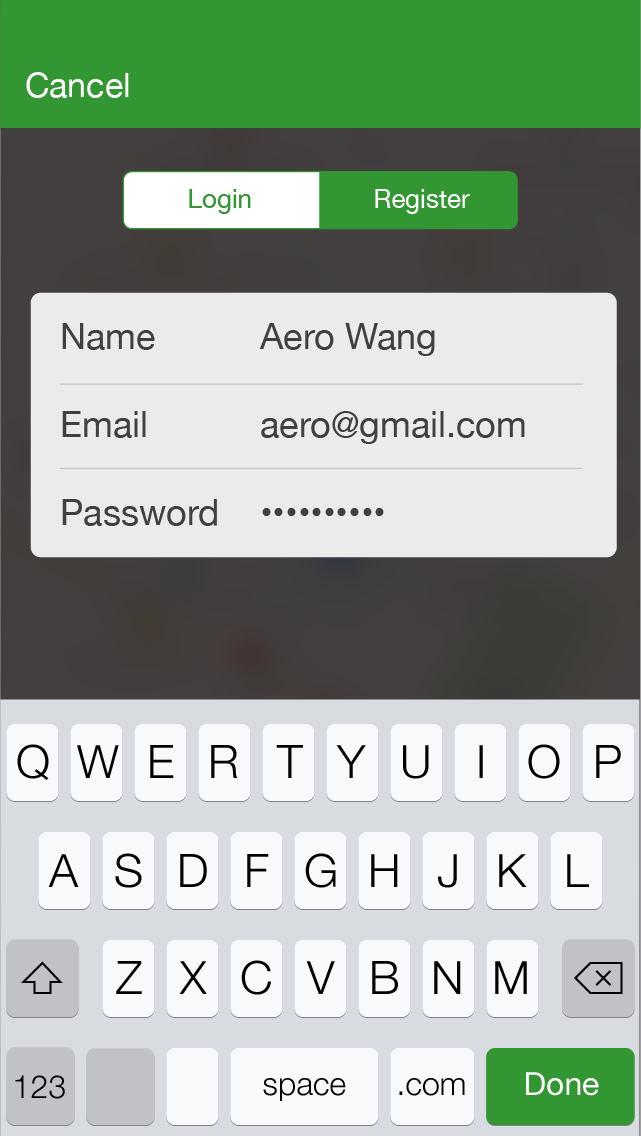
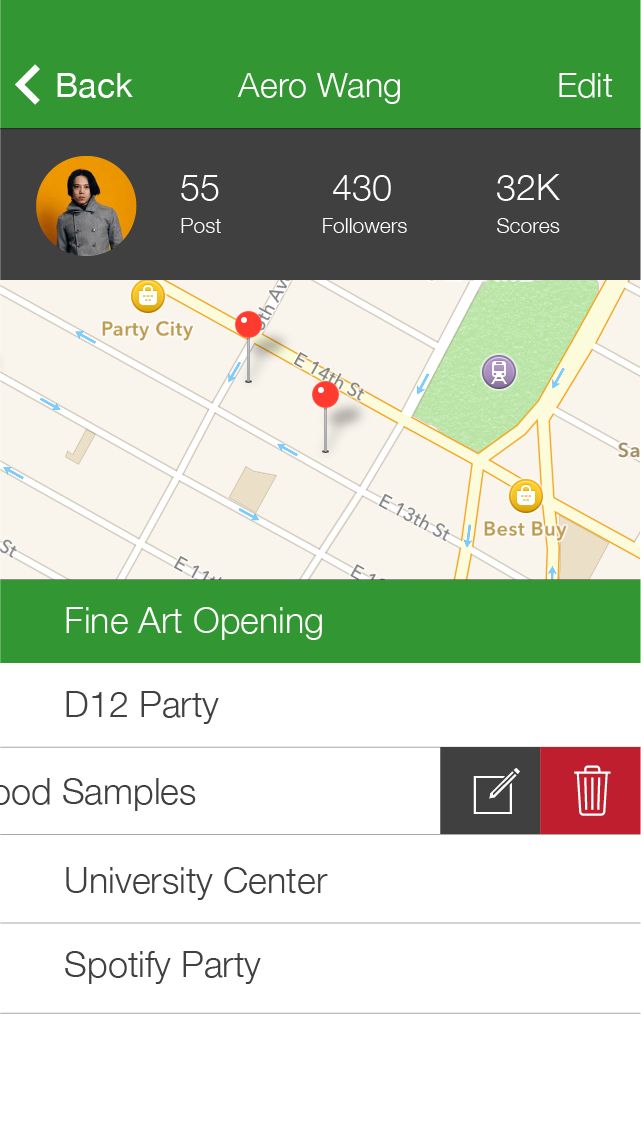

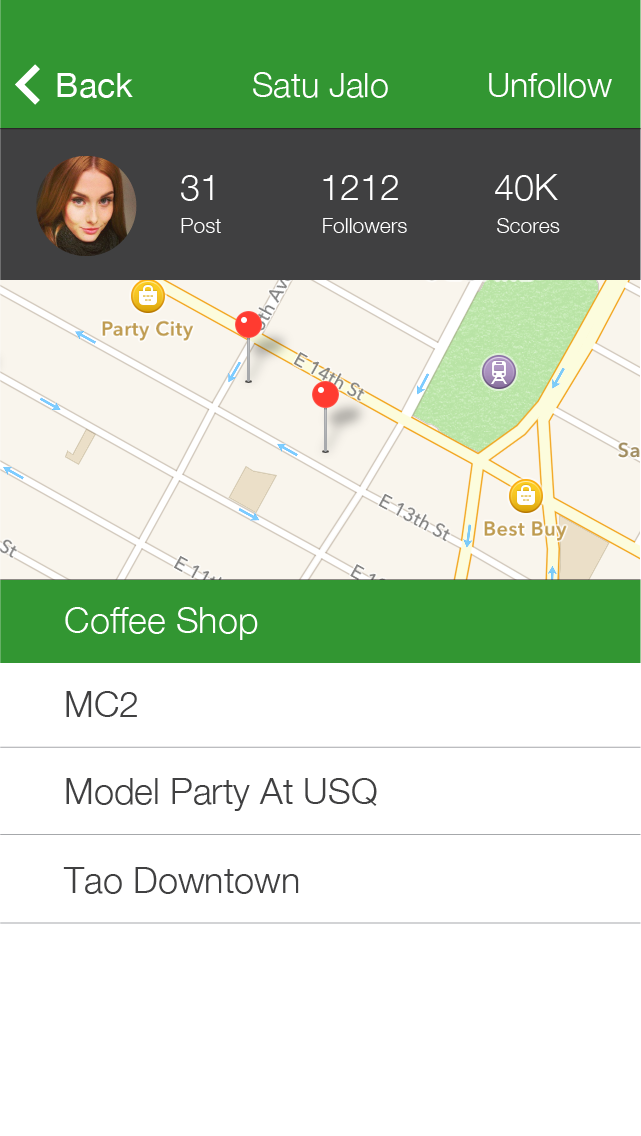



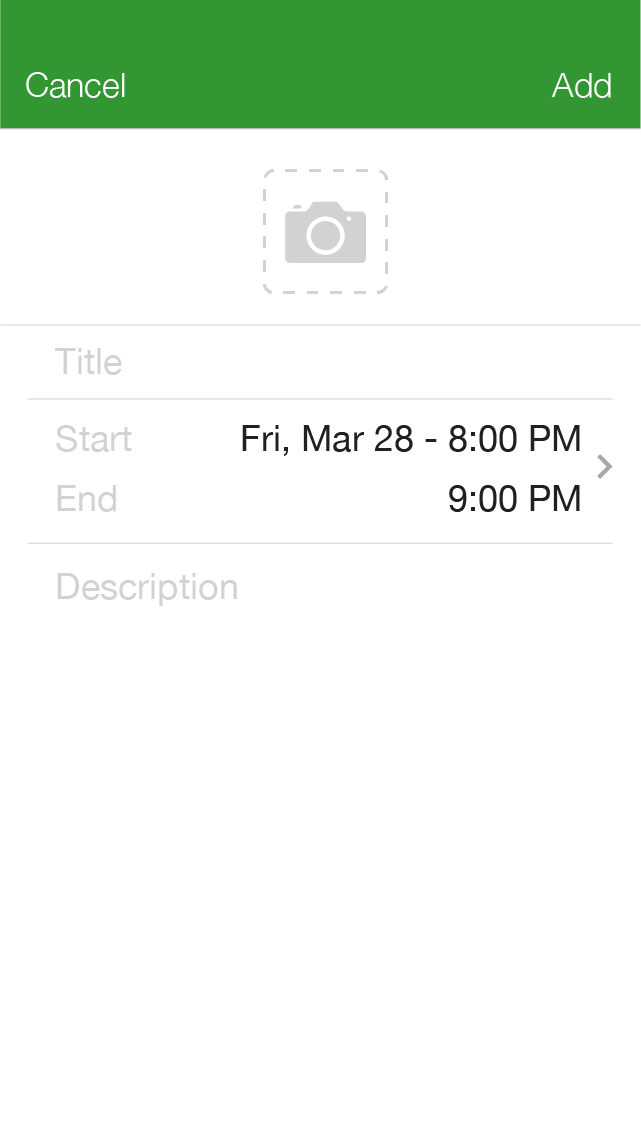
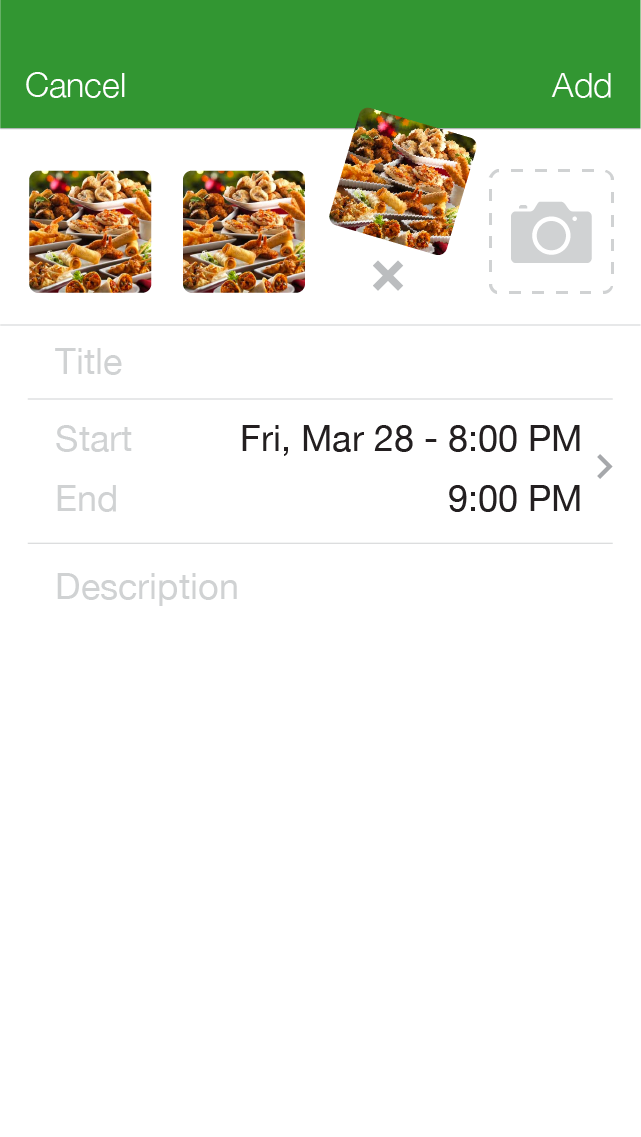
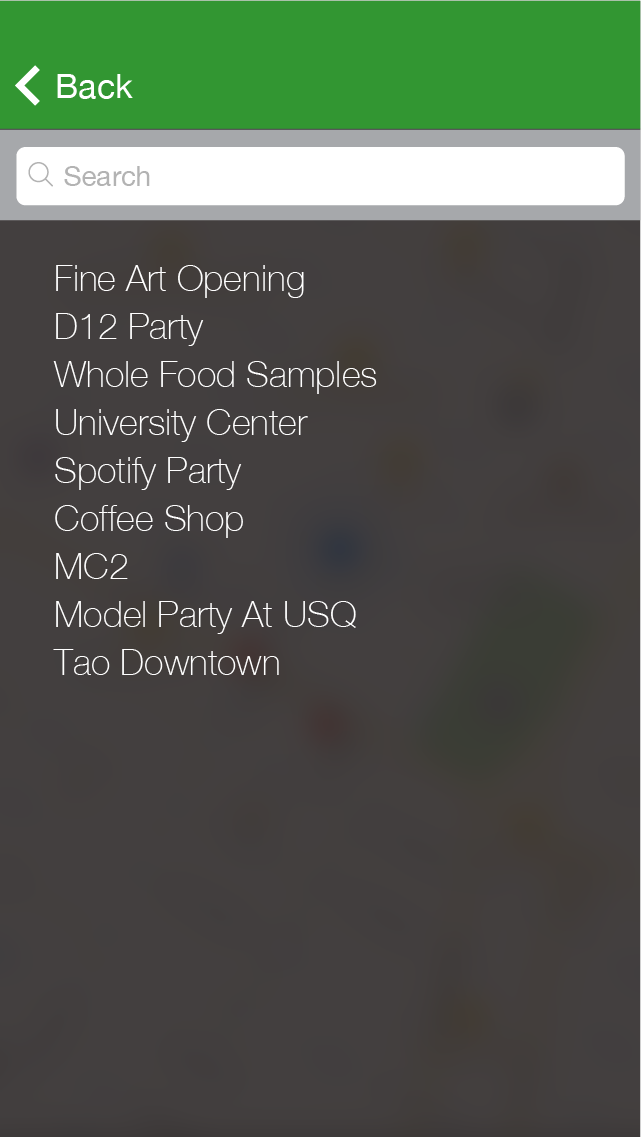 To access an interactive prototype of this version of design iteration, please use this url: invis.io/KFQ4J3NV
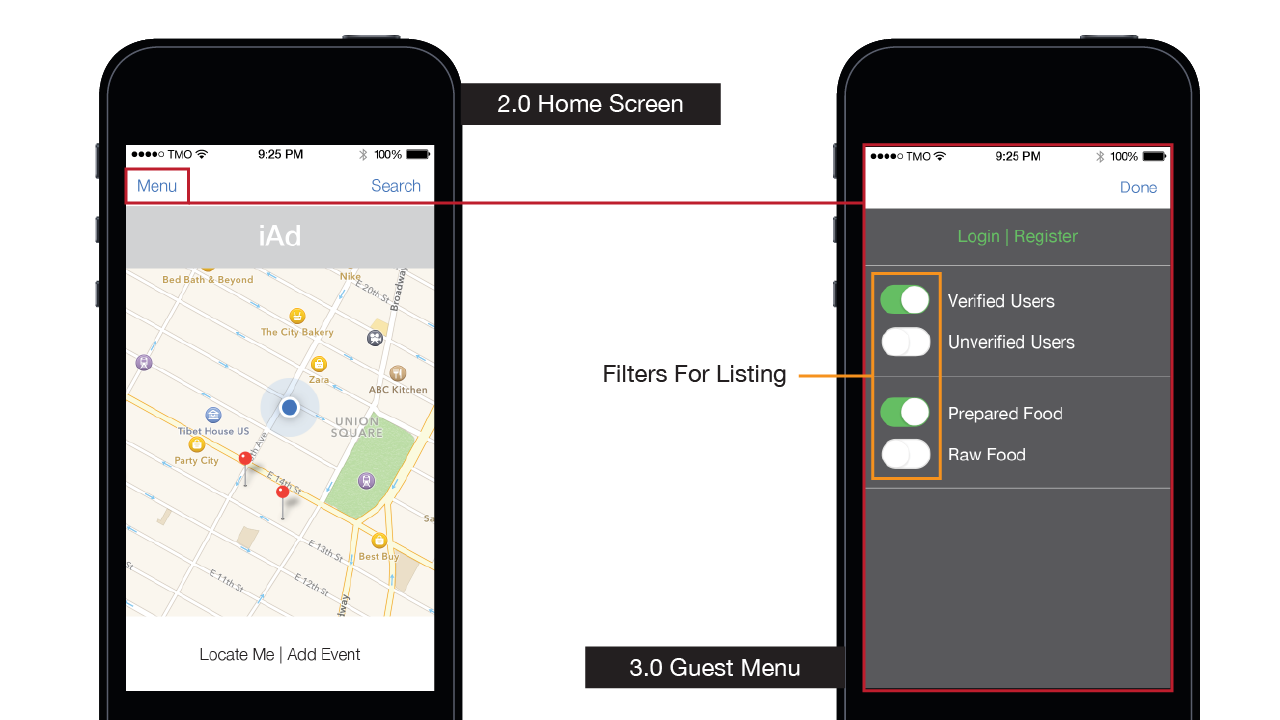
Free Food – Wireframe Iteration



#thursdayplays – PIYOMORI
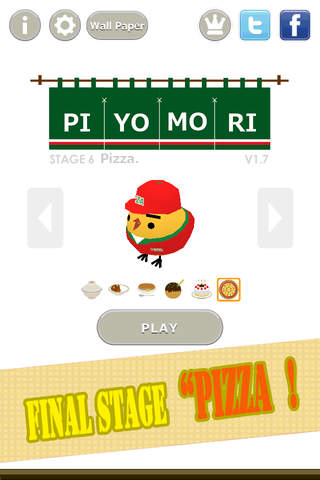


This is a really funny game! The goal is to throw chicks into a bowl or other dishes.When ten chickens fall, game is over. I like this because you can play this app anytime you want, and also exit the game anytime you want. When you push the button of giveup, You can give up. Although this game is simple, it offers you surprised bonus! Like:The hat which the chicken is wearing changes monthly. I play this game a lot when I am waiting the train.
Group project ideas – Sophie & Yang
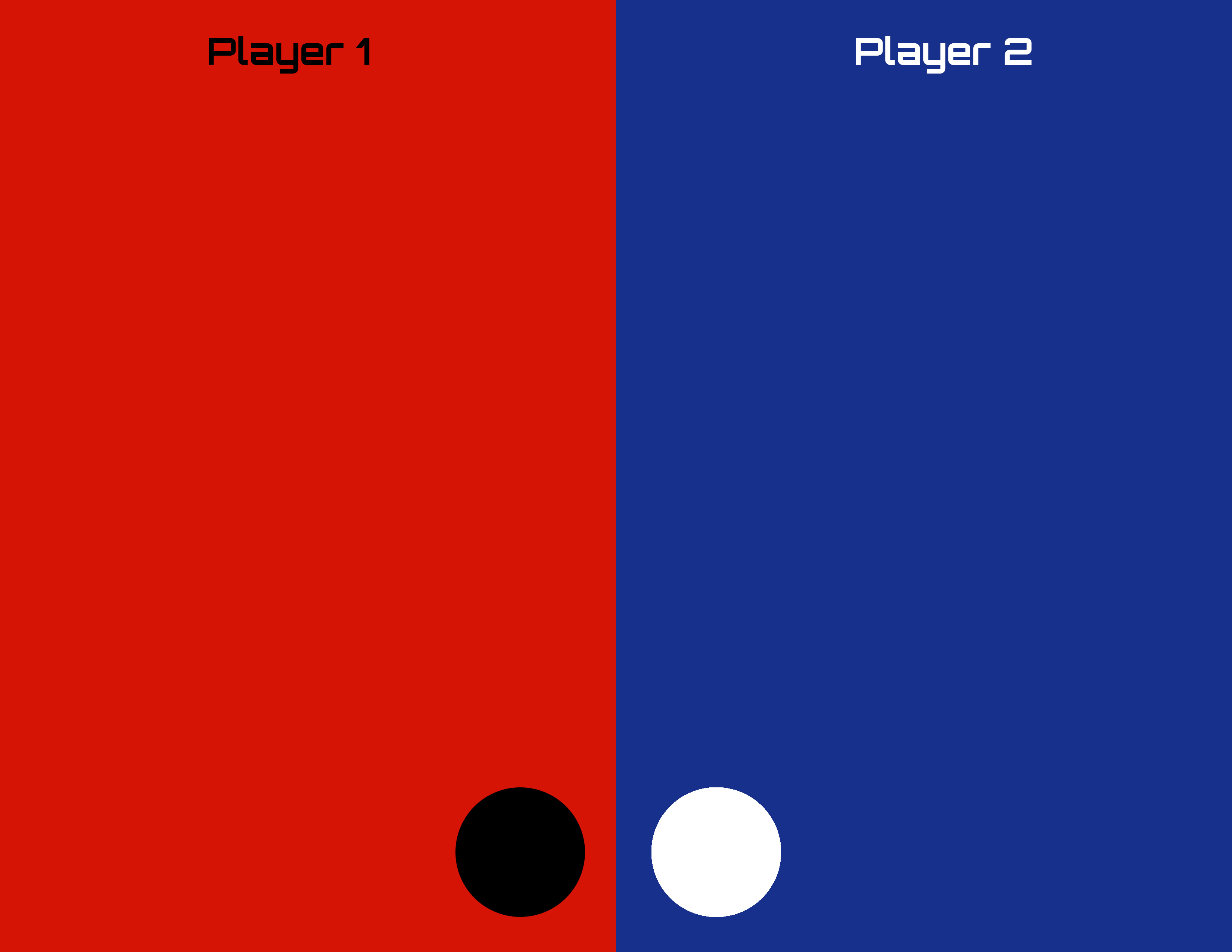
1. An interactive game played with iPad, two people should play together. the target users are the one wants to play with his friend together, it is fit for the family entertainment or the friends party game. Player 1 vs Player 2, the two players all want good ball and hate bad ball, so they would try to let the good ball roll into their own boundary area, and let the bad ball go to the other’s area.
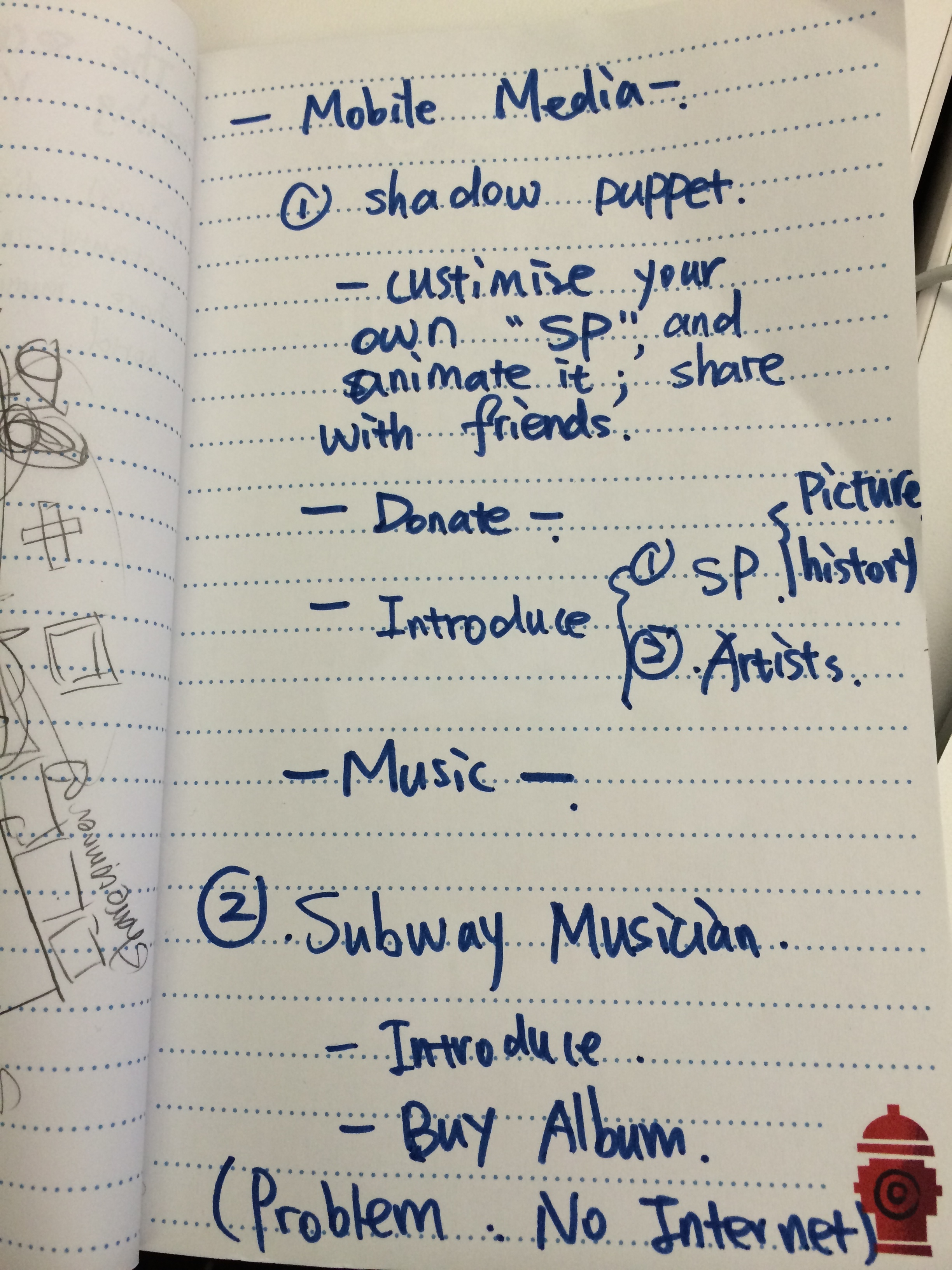
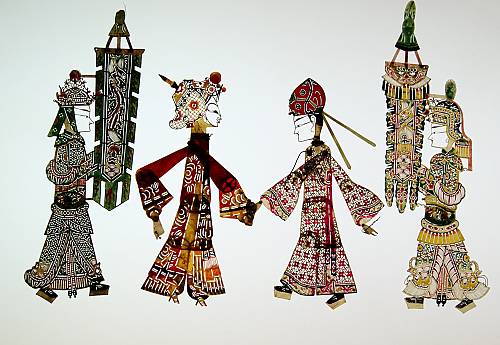
2. Intangible cultural heritage – Chinese Shadow Puppet. An iPhone lifestyle app, the target users are the one who interested in the ancient oriental culture. They could know more about Chinese shadow play, Peking Opera and another culture arts. They could donate and custom their own Chinese shadow play.


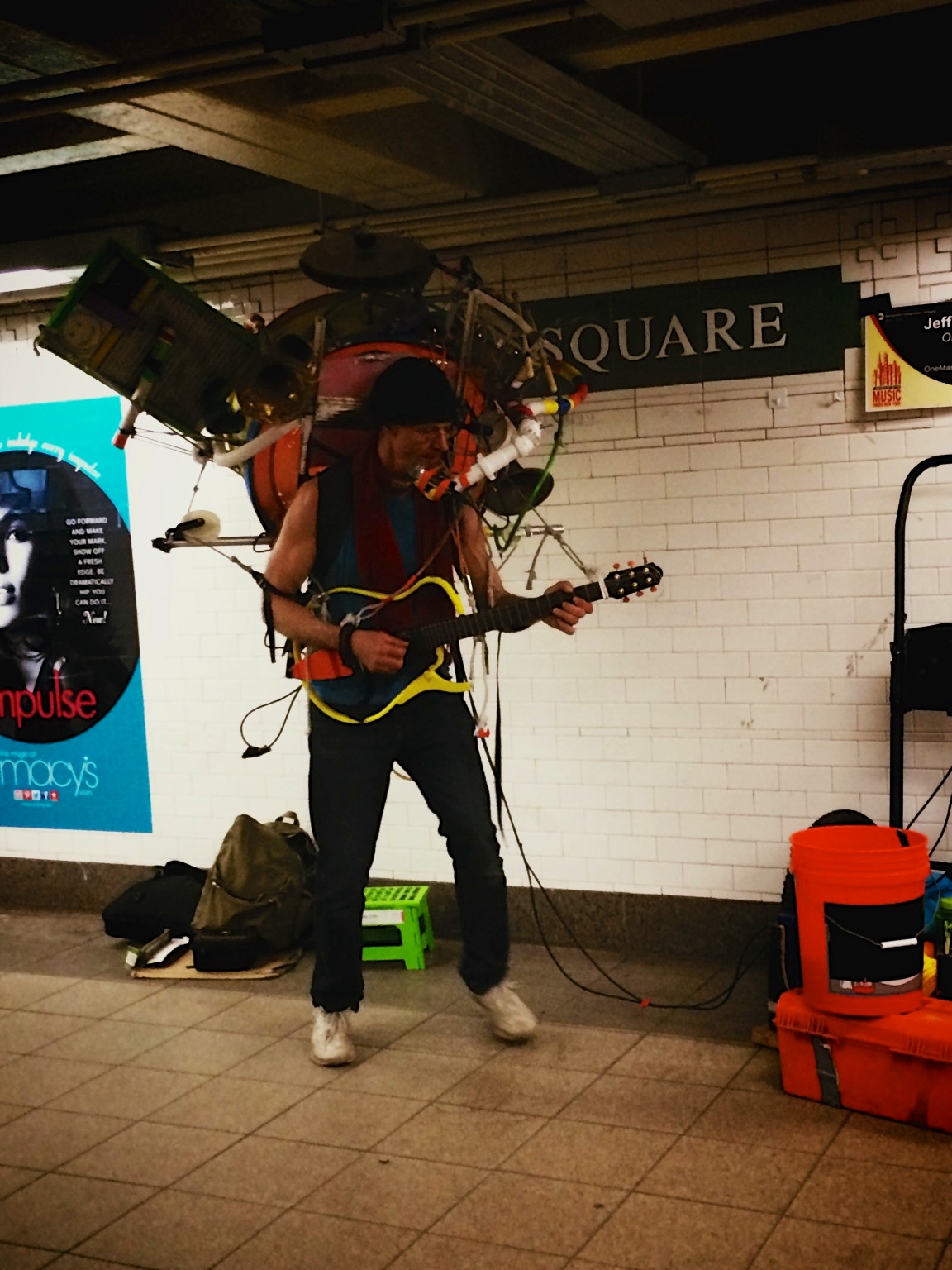
3. Subway Musician: An iPhone lifestyle app focuses on the artists under the subway, they always do some creative activity, so the app will show the famous subway artist, and you could see the videos and surprised by their shows.
.